





Why Sustainable Agriculture Is Important for the Future

Agriculture is the foundation of human survival, providing food, livelihoods, and raw materials for economies around the world. However, growing population pressure, climate change, soil degradation, and water scarcity have raised serious concerns about the long-term sustainability of current agricultural practices. Sustainable agriculture has emerged as a necessary approach to ensure that food production can continue without harming natural resources or future generations.
Sustainable agriculture focuses on producing food in a way that is environmentally responsible, economically viable, and socially equitable. It aims to balance present needs with the ability of future generations to meet their own needs.
Protects Natural Resources for Future Generations
Natural resources such as soil, water, and biodiversity are essential for agriculture. Unsustainable farming practices often lead to soil erosion, water depletion, and loss of fertile land.
Sustainable agriculture helps by:
- Conserving soil through practices that maintain soil structure and fertility
- Reducing overuse of water resources
- Protecting forests, wetlands, and surrounding ecosystems
By using natural resources responsibly, sustainable agriculture ensures that land remains productive for future generations.
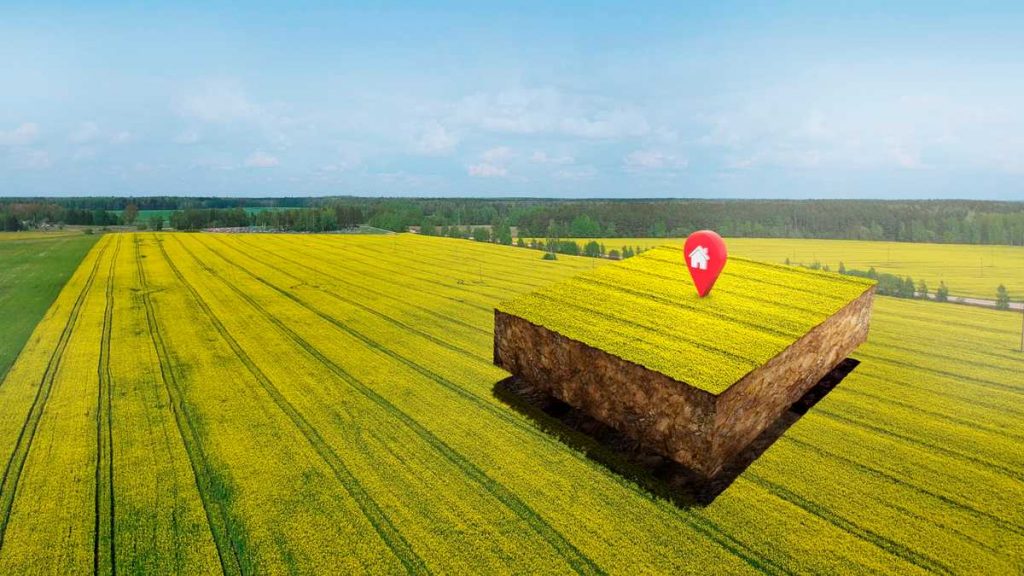
Maintains Soil Health and Fertility
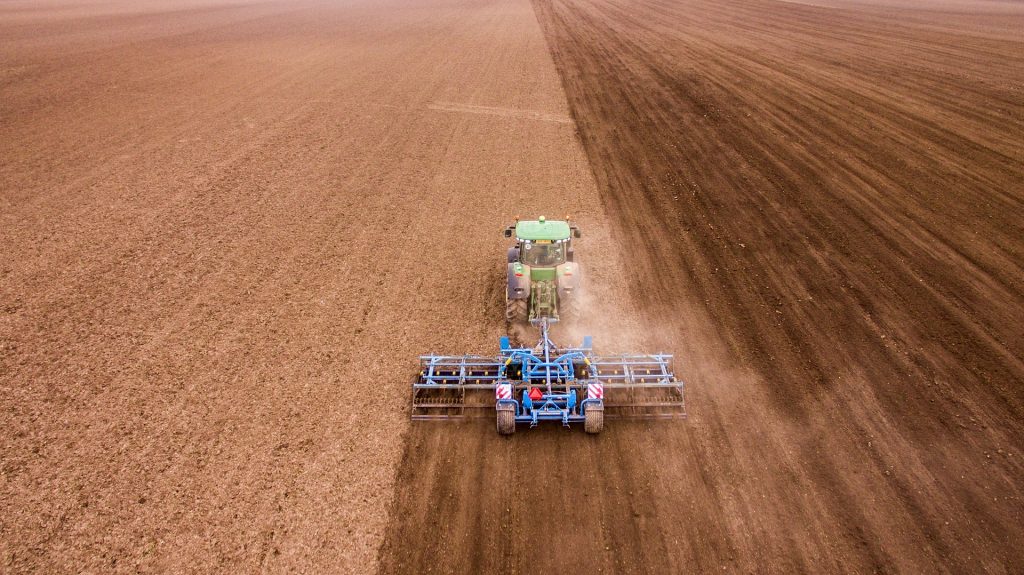
Healthy soil is the backbone of agricultural productivity. Continuous use of chemical fertilizers and improper land use can degrade soil quality over time.
Sustainable agricultural practices support soil health by:
- Increasing organic matter in the soil
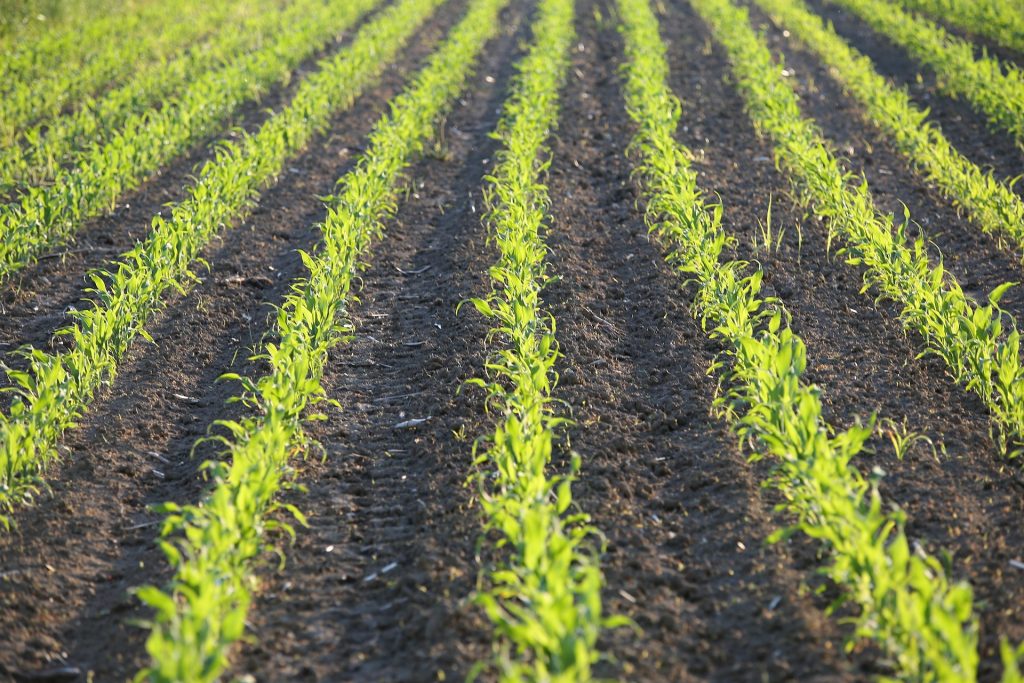
- Improving soil structure and water-holding capacity
- Supporting beneficial soil microorganisms
Healthy soil not only improves crop yield but also enhances the long-term resilience of agricultural systems.
Ensures Long-Term Food Security
With the global population expected to continue growing, ensuring a stable food supply is a major challenge. Unsustainable farming methods may increase production in the short term but often reduce productivity in the long run.
Sustainable agriculture contributes to food security by:
- Maintaining consistent crop production over time
- Reducing dependency on external inputs
- Supporting diversified cropping systems
A sustainable approach helps ensure that food remains available, accessible, and affordable in the future.
Reduces Impact of Climate Change
Agriculture is both affected by climate change and a contributor to it. Extreme weather events, rising temperatures, and changing rainfall patterns threaten crop productivity.
Sustainable agriculture helps address climate challenges by:
- Reducing greenhouse gas emissions from farming activities
- Improving soil carbon storage
- Promoting climate-resilient crops and practices
These measures help agriculture adapt to climate change while also reducing its environmental footprint.
Conserves Water Resources
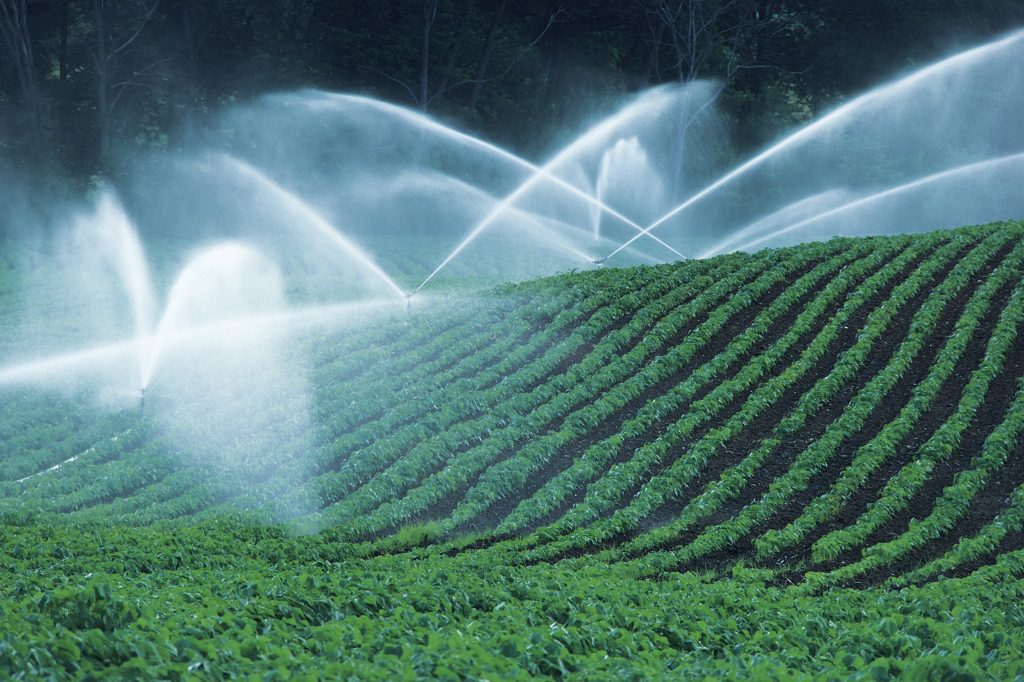
Water scarcity is becoming a serious concern in many agricultural regions. Over-irrigation and inefficient water use can lead to groundwater depletion and water pollution.
Sustainable agriculture promotes:
- Efficient water use
- Improved water management practices
- Reduced wastage and runoff
By conserving water, agriculture can remain productive even under limited water availability.
Supports Biodiversity and Ecosystem Balance
Biodiversity plays a crucial role in maintaining ecosystem stability. Pollinators, beneficial insects, and soil organisms are all essential for healthy agriculture.
Sustainable agriculture supports biodiversity by:
- Encouraging crop diversity
- Reducing excessive chemical use
- Preserving natural habitats around agricultural land
A balanced ecosystem helps control pests naturally and improves overall farm resilience.
Improves Farmers’ Livelihoods and Economic Stability
Sustainable agriculture is not only about environmental protection but also about improving farmers’ livelihoods. High input costs and declining soil fertility often trap farmers in cycles of debt.
Sustainable practices help farmers by:
- Reducing dependency on costly chemical inputs
- Lowering production risks
- Ensuring stable income over time
Economic sustainability is essential for keeping agriculture viable as a profession for future generations.
Promotes Social and Rural Development
Agriculture plays a central role in rural communities. Sustainable agriculture strengthens social structures by supporting local food systems and rural employment.
It contributes to:
- Improved rural livelihoods
- Greater community resilience
- Safer and healthier food systems
When agriculture is sustainable, it supports overall rural development and social well-being.
Encourages Responsible Use of Technology and Innovation
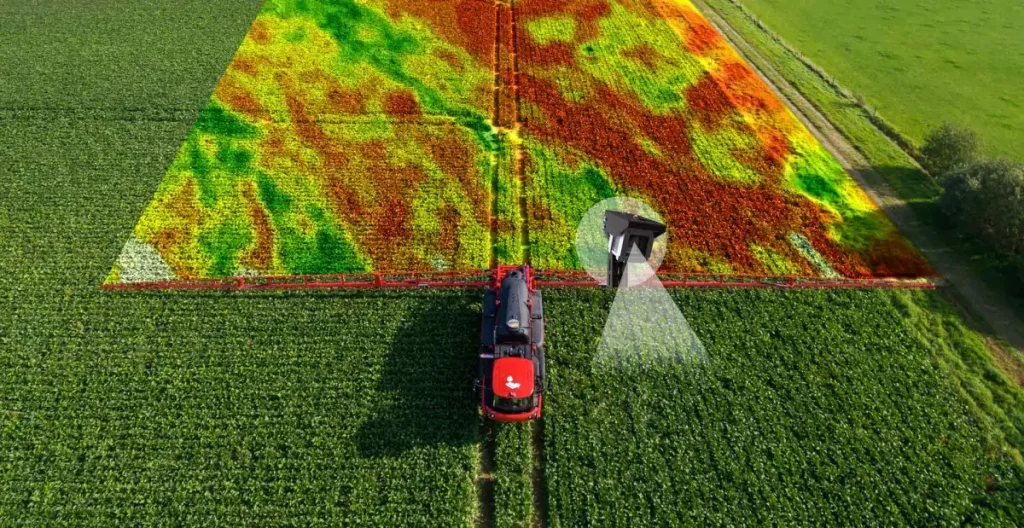
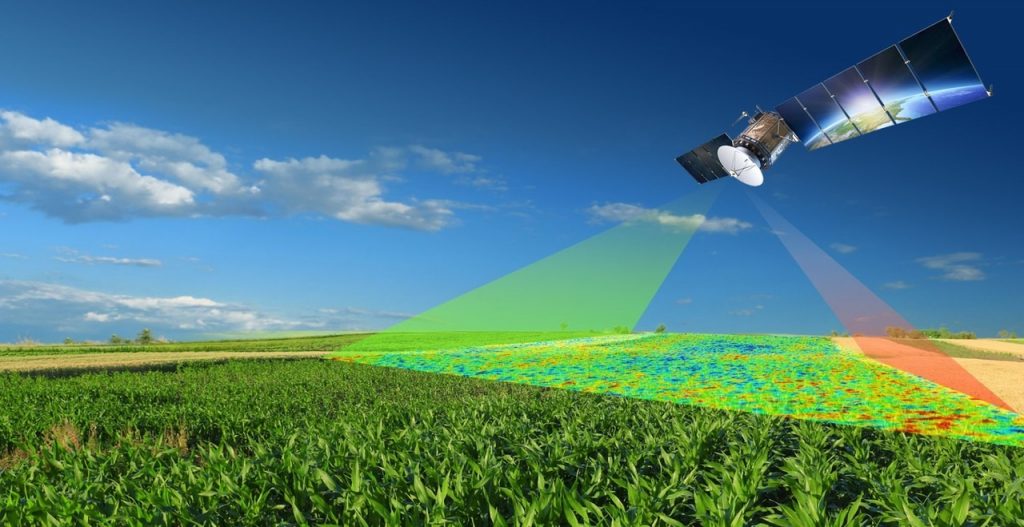
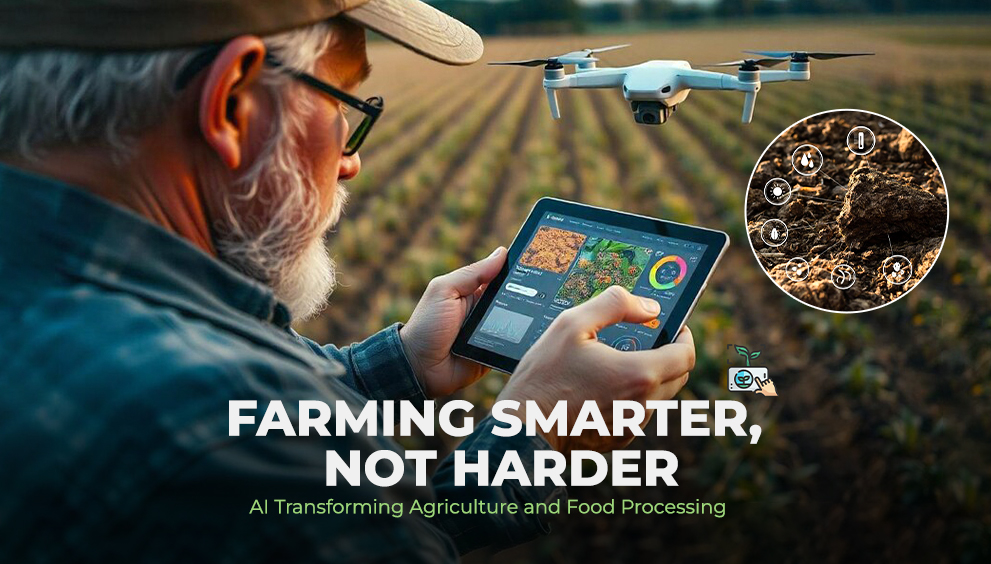
Sustainable agriculture does not reject modern tools but encourages their responsible use. Innovation can help increase efficiency while minimizing environmental harm.
Responsible innovation supports:
- Efficient use of inputs
- Better resource management
- Reduced environmental impact
Technology guided by sustainability principles helps agriculture progress without damaging natural systems.
Prepares Agriculture for Future Challenges
Future agriculture will face challenges such as population growth, climate uncertainty, and limited natural resources. Sustainable agriculture provides a framework to manage these challenges effectively.
It helps agriculture:
- Adapt to changing environmental conditions
- Maintain productivity under stress
- Ensure long-term resilience
Preparing today is essential for protecting tomorrow’s food systems.
Conclusion
Sustainable agriculture is important for the future because it protects natural resources, ensures food security, supports farmers’ livelihoods, and reduces environmental damage. It balances economic growth with environmental responsibility and social well-being. As global challenges continue to grow, adopting sustainable agricultural practices is no longer optional but essential. Sustainable agriculture is the key to feeding future generations while preserving the planet for years to come.