










How Agriculture Supports Livelihoods and Growth in India

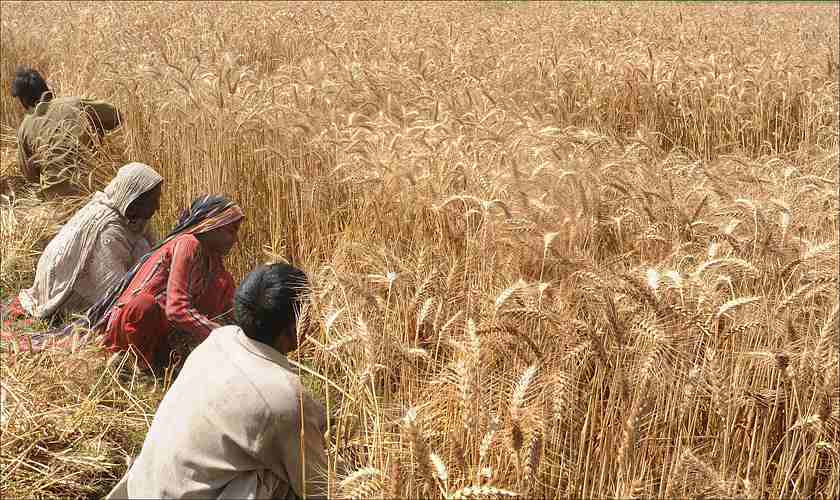
Agriculture plays a vital role in shaping India’s economy, society, and rural life. Despite rapid growth in industries and services, agriculture continues to support the livelihoods of a large section of the population and contributes significantly to national development. For millions of people across the country, agriculture is not just an occupation but a primary source of income, food, and social stability.
India’s agricultural sector supports economic growth by providing employment, ensuring food security, supplying raw materials to industries, and strengthening rural economies. Its impact extends far beyond farms and fields.
Agriculture as a Major Source of Livelihood
A significant portion of India’s population depends directly or indirectly on agriculture for survival. Farmers, agricultural laborers, and allied workers earn their livelihoods from activities linked to crop production and land management.
Agriculture supports livelihoods by:
- Providing employment to farmers and landless laborers
- Generating seasonal and year-round income in rural areas
- Supporting small and marginal farmers who form the backbone of Indian agriculture
In many villages, agriculture remains the primary occupation, especially where alternative employment opportunities are limited.
Employment Generation Across Rural India
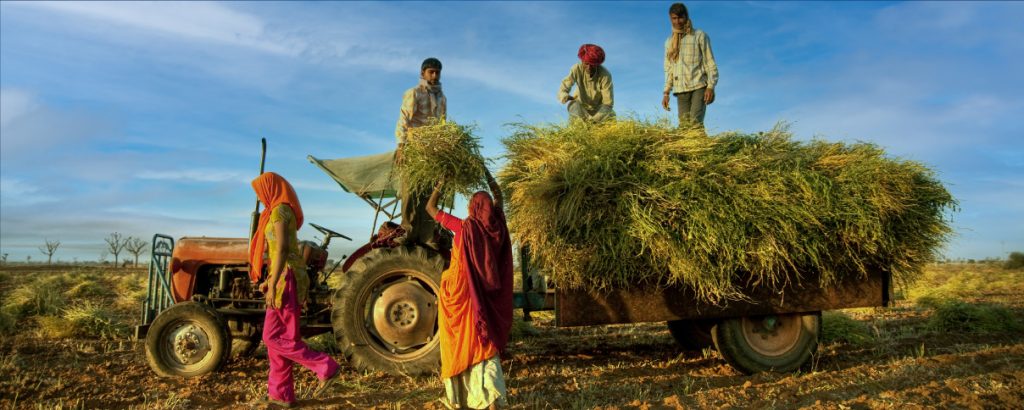
Agriculture is one of the largest sources of employment in India. It absorbs a large workforce, including unskilled and semi-skilled labor, making it crucial for rural employment.
Employment opportunities created by agriculture include:
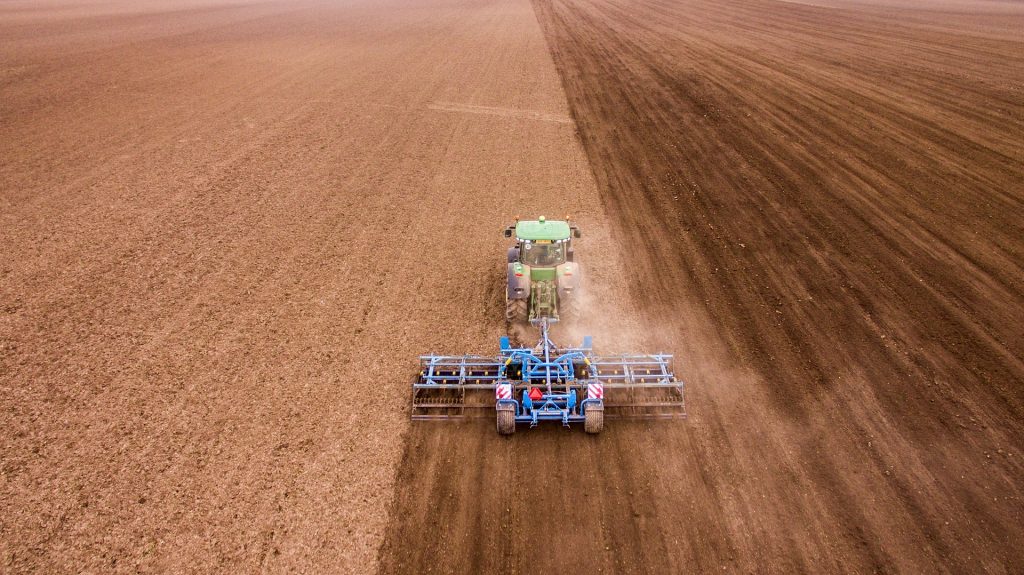
- Field preparation, sowing, weeding, and harvesting
- Post-harvest activities such as storage, processing, and transport
- Work related to irrigation, farm maintenance, and input supply
By providing jobs close to home, agriculture reduces migration from rural to urban areas and supports balanced regional development.
Contribution to Food Security and Nutrition
Agriculture ensures the availability of food for India’s population. Stable food production is essential for national food security and price stability.
Its role in food security includes:
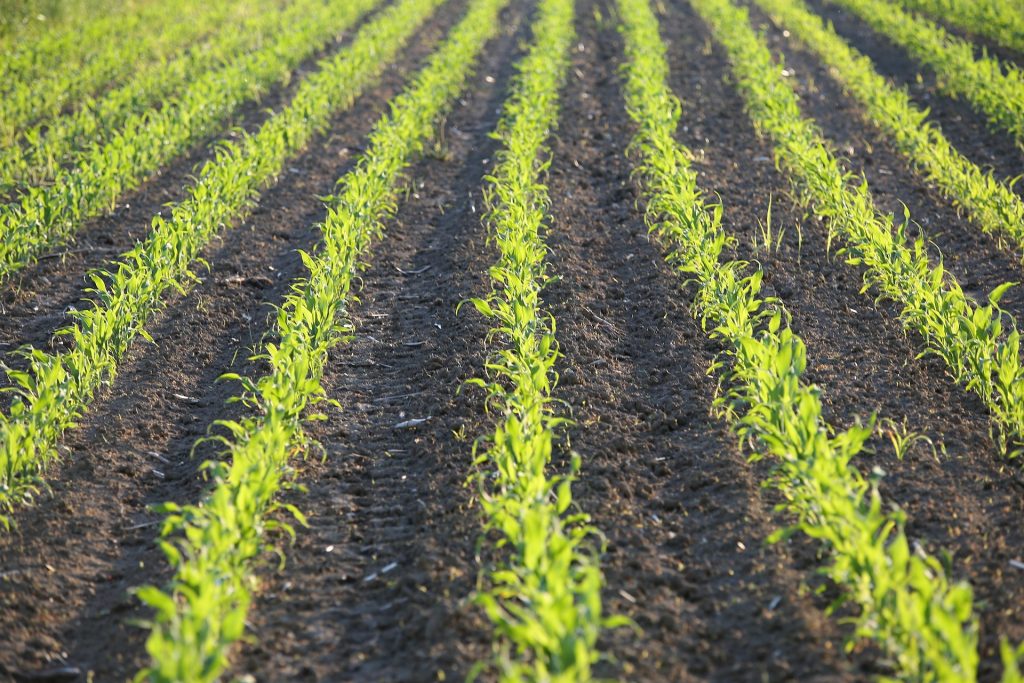
- Producing staple crops such as rice, wheat, and pulses
- Supporting nutrition through fruits, vegetables, milk, and other food products
- Reducing dependence on food imports
A strong agricultural sector helps maintain affordable food prices, which directly impacts the cost of living and overall economic stability.
Support to Allied Sectors and Rural Enterprises
Agriculture supports a wide range of allied activities that further strengthen rural livelihoods.
These allied sectors include:
- Dairy farming, which provides regular income to rural households
- Poultry and livestock rearing
- Fisheries, aquaculture, and beekeeping
In addition, agriculture creates demand for rural enterprises such as farm equipment services, seed supply, fertilizer distribution, and transport services. These activities expand income opportunities beyond crop cultivation.
Supply of Raw Materials to Industries
Many industries in India depend on agriculture for raw materials. This link between agriculture and industry plays a crucial role in economic growth.
Agriculture supplies raw materials for:
- Textile industries through cotton and jute
- Sugar mills through sugarcane
- Food processing industries through grains, fruits, and vegetables
The growth of agro-based industries creates employment, increases value addition, and strengthens the overall economy.
Income Generation and Rural Development
Agricultural income drives rural development by improving purchasing power and living standards.
Higher agricultural income leads to:
- Increased spending on education, healthcare, and housing
- Growth of rural markets and local businesses
- Better infrastructure development in villages
Government investments and agricultural growth together help improve the quality of life in rural areas.
Role in Reducing Poverty and Inequality
Agriculture plays a key role in poverty reduction, especially in rural India. For many households, even small improvements in agricultural productivity can significantly improve income levels.
Agriculture helps reduce poverty by:
- Providing employment to economically weaker sections
- Supporting self-employment through small-scale farming
- Creating income opportunities for women and marginalized communities
Women contribute significantly to agricultural activities, and their involvement strengthens household income and food security.
Contribution to National Income and Economic Growth
Although the share of agriculture in India’s GDP has declined over time, its contribution remains important due to the large population it supports.
Agriculture contributes to growth by:
- Supporting domestic consumption
- Strengthening export earnings through agricultural products
- Providing stability during economic downturns
A resilient agricultural sector helps cushion the economy against external shocks.
Encouraging Sustainable Growth
Agriculture supports long-term growth by promoting sustainable use of natural resources.
Sustainable agricultural practices help:
- Protect soil and water resources
- Ensure long-term productivity
- Balance economic growth with environmental conservation
Sustainable growth in agriculture is essential for meeting the needs of future generations.
Conclusion
Agriculture supports livelihoods and growth in India by providing employment, ensuring food security, strengthening rural economies, and contributing to national development. It connects millions of people to income opportunities and plays a crucial role in reducing poverty and inequality. Despite economic transformation, agriculture remains deeply rooted in India’s growth story. Strengthening the agricultural sector is essential for inclusive growth, rural development, and long-term economic stability.