








Factors Affecting Crop Growth in Agriculture

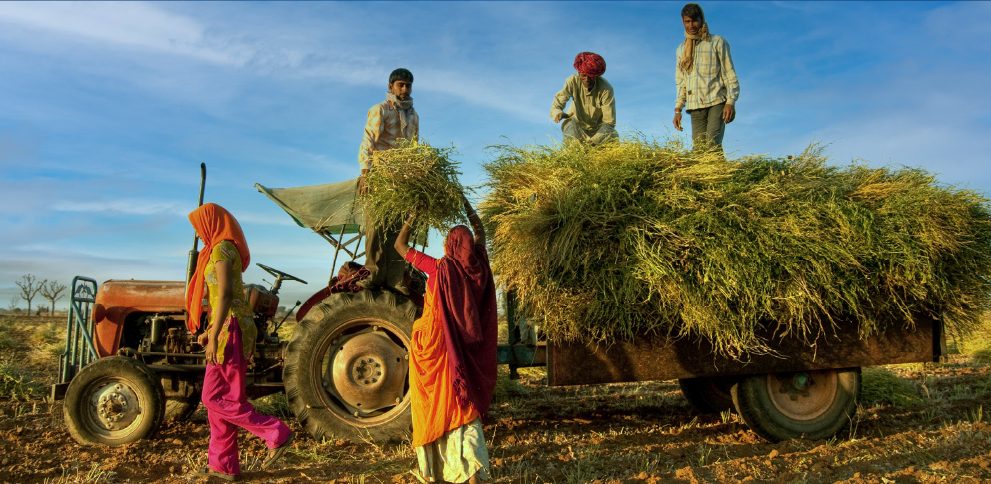
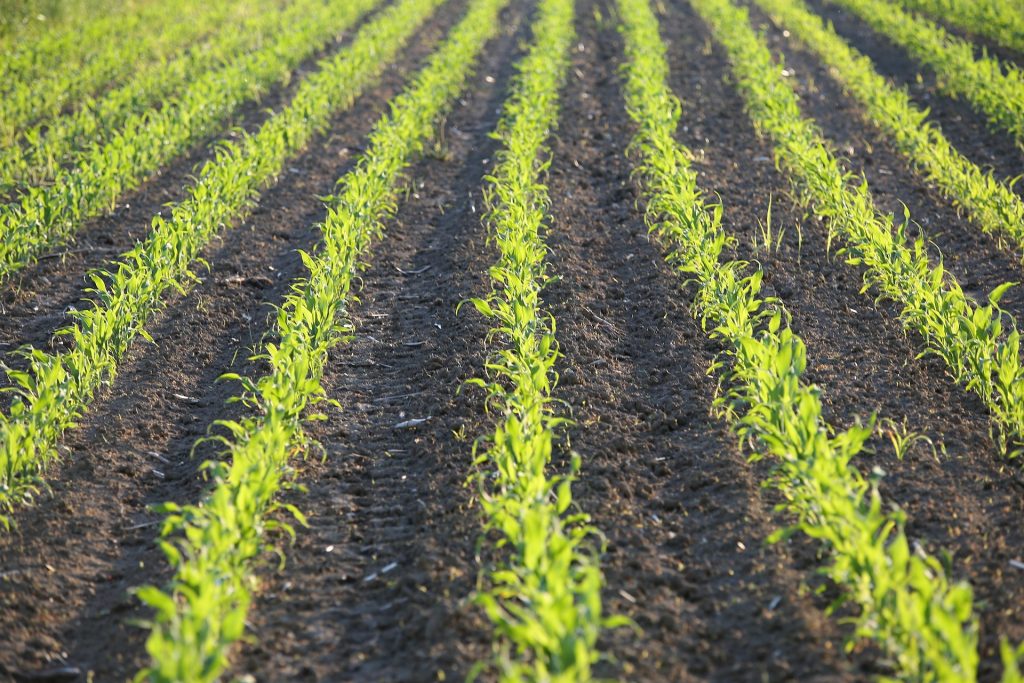
Crop growth is a natural process influenced by a combination of environmental conditions, soil characteristics, and agricultural practices. For crops to grow healthy and produce good yields, several factors must work together in balance. Even a slight variation in one factor can directly affect plant development, productivity, and quality. Understanding these factors is essential for farmers, students of agriculture, and anyone interested in how food is produced.
The factors affecting crop growth in agriculture can broadly be divided into natural factors and human-managed factors. Both play an equally important role in determining crop performance.
Climate and Weather Conditions
Climate is one of the most critical factors affecting crop growth. Different crops require specific climatic conditions to grow successfully.
Important climatic elements include:
- Temperature: Every crop has a minimum, optimum, and maximum temperature range. Extremely high or low temperatures can slow down growth, reduce flowering, or damage crops.
- Rainfall: Adequate rainfall is necessary for germination and growth. Too little rainfall causes drought stress, while excessive rainfall can lead to waterlogging and root damage.
- Sunlight: Sunlight is essential for photosynthesis. Crops grown under insufficient light show poor growth and reduced yield.
- Humidity and wind: High humidity can encourage pest and disease outbreaks, while strong winds can damage plants or increase water loss.
Seasonal variations and changing climate patterns often make crop production unpredictable, especially in rainfed regions.
Soil Quality and Fertility
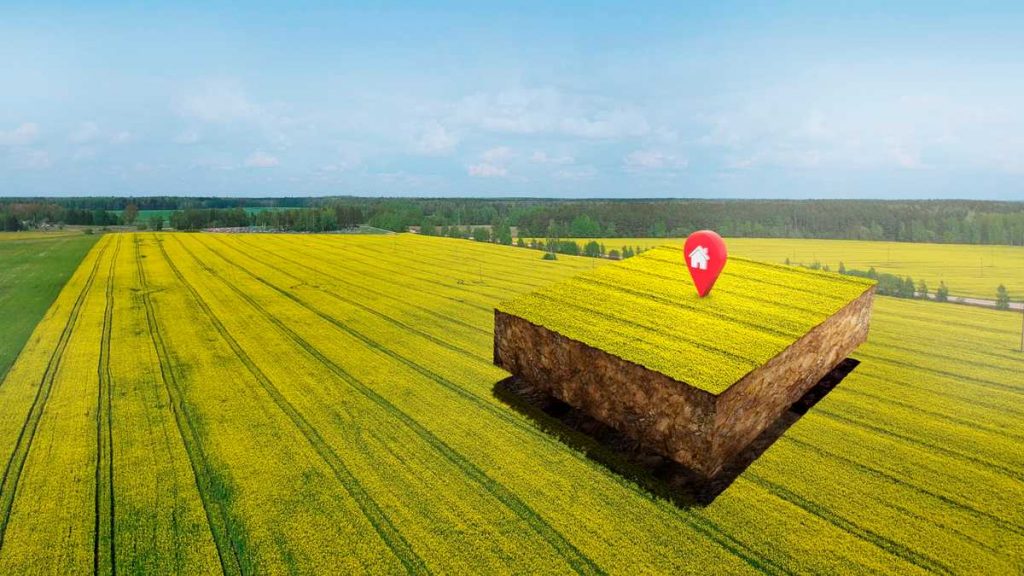
Soil provides physical support, water, and nutrients to crops. Healthy soil is a foundation for good crop growth.
Key soil-related factors include:
- Soil type: Sandy, loamy, and clay soils differ in water-holding capacity and nutrient availability. Loamy soil is generally considered best for crop growth.
- Soil fertility: Fertile soil contains essential nutrients such as nitrogen, phosphorus, and potassium needed for plant development.
- Soil structure: Well-aerated soil allows proper root growth and water movement.
- Soil pH: Most crops grow best in slightly acidic to neutral soil. Extreme pH levels can limit nutrient absorption.
Poor soil health leads to weak root systems and reduced crop productivity.
Water Availability and Irrigation
Water is essential for all physiological processes in plants, including nutrient transport and photosynthesis.
Water-related factors affecting crop growth include:
- Adequate water supply: Insufficient water causes wilting and poor growth, while excess water can suffocate roots.
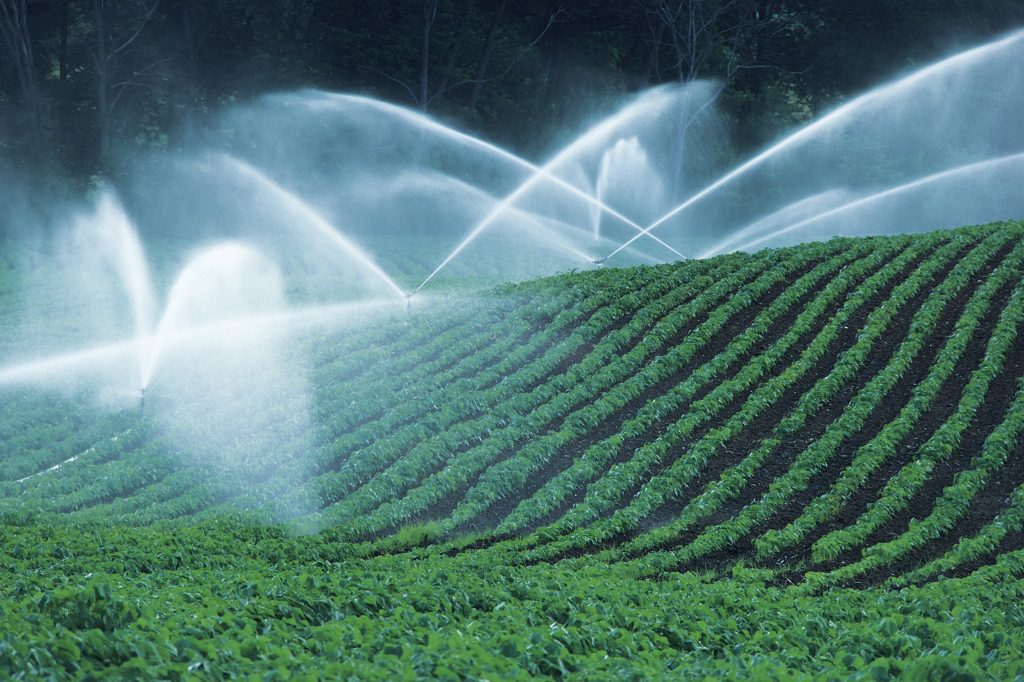
- Irrigation method: Efficient irrigation helps supply water evenly and reduces wastage.
- Water quality: Saline or polluted water can harm crops and soil health.
Proper water management is especially important in areas facing irregular rainfall.
Nutrient Availability
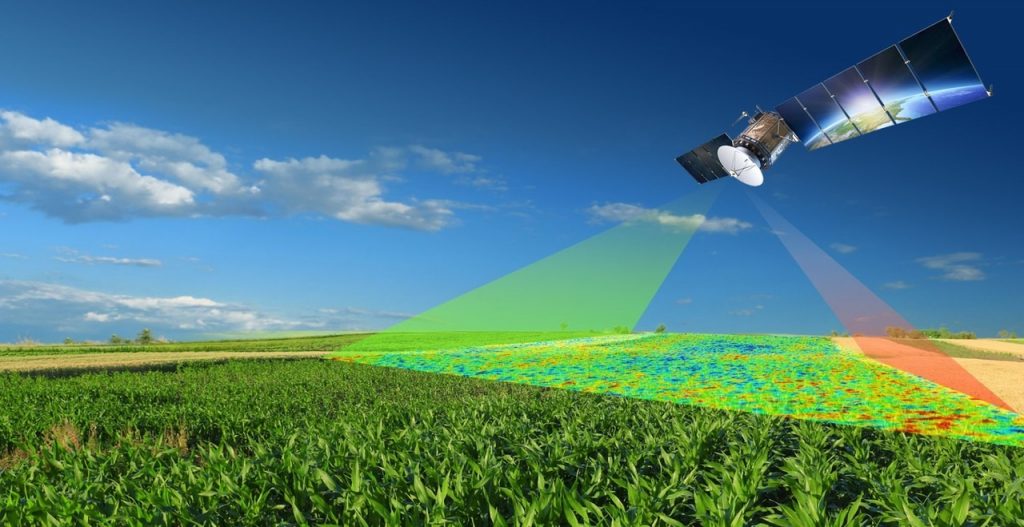
Crops require nutrients for healthy growth and development. These nutrients come from soil, organic matter, and fertilizers.
Essential nutrients include:
- Macronutrients such as nitrogen, phosphorus, and potassium, which support leaf growth, root development, and flowering.
- Micronutrients such as zinc, iron, and boron, required in small quantities but crucial for plant health.
Nutrient deficiency leads to poor plant growth, yellowing of leaves, and reduced yield, while excessive use of fertilizers can damage crops and soil.
Crop Variety and Seed Quality
The genetic makeup of a crop determines its growth potential and resistance to stress.
Factors related to seeds include:
- Seed quality: Healthy, certified seeds have higher germination rates and better vigor.
- Crop variety: Some varieties are resistant to pests, diseases, or drought, while others are suited to specific climates or soils.
- Seed treatment: Proper treatment helps protect seedlings from soil-borne diseases.
Choosing the right variety is crucial for achieving good crop performance.
Pest, Disease, and Weed Pressure
Pests, diseases, and weeds compete with crops for nutrients, water, and light.
Their impact includes:
- Pests damaging leaves, stems, and roots
- Diseases reducing photosynthesis and plant strength
- Weeds competing for resources and lowering yields
Effective crop protection practices help reduce losses and maintain healthy growth.
Agricultural Practices and Farm Management
Human decisions strongly influence crop growth and productivity.
Important management practices include:
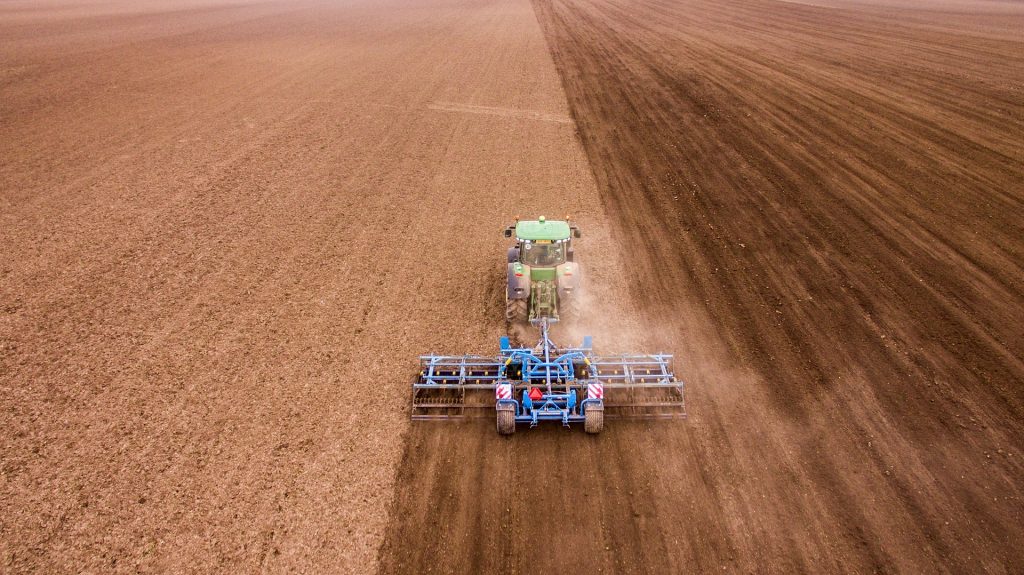
- Land preparation: Proper tillage improves soil structure and root growth.
- Sowing time: Timely sowing ensures crops receive suitable climatic conditions.
- Crop rotation and intercropping: These practices improve soil fertility and reduce pest buildup.
- Use of fertilizers and manure: Balanced application supports sustainable growth.
Poor management practices can limit the potential of even the best soil and climate.
Conclusion
Crop growth in agriculture depends on a wide range of interconnected factors, including climate, soil, water, nutrients, seed quality, pest pressure, and farm management practices. Successful agriculture requires understanding these factors and maintaining a balance among them. By managing resources efficiently and adopting suitable practices, crop growth can be improved, leading to higher productivity and sustainable agricultural development.