













Why Do Crops Need Irrigation for Healthy Growth?

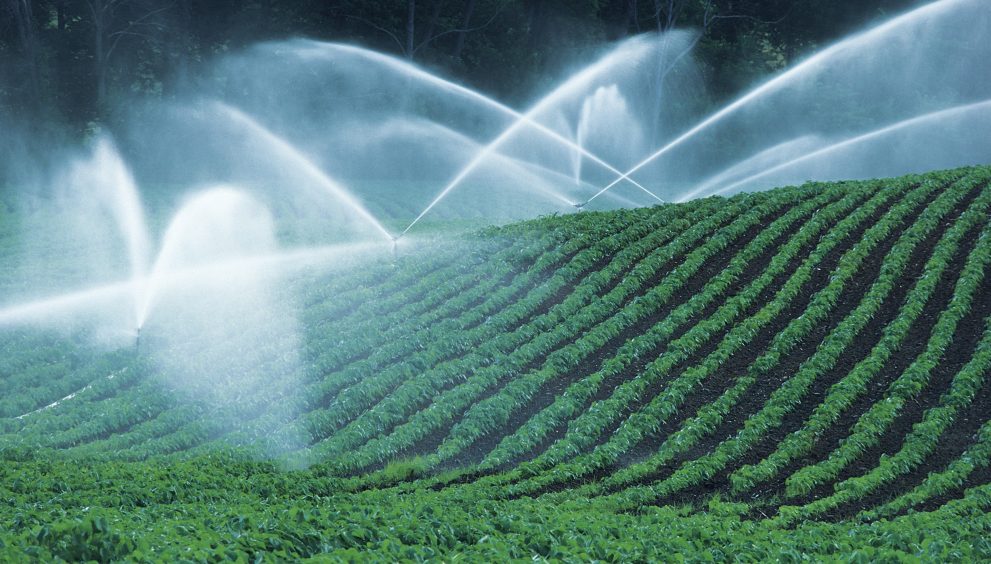
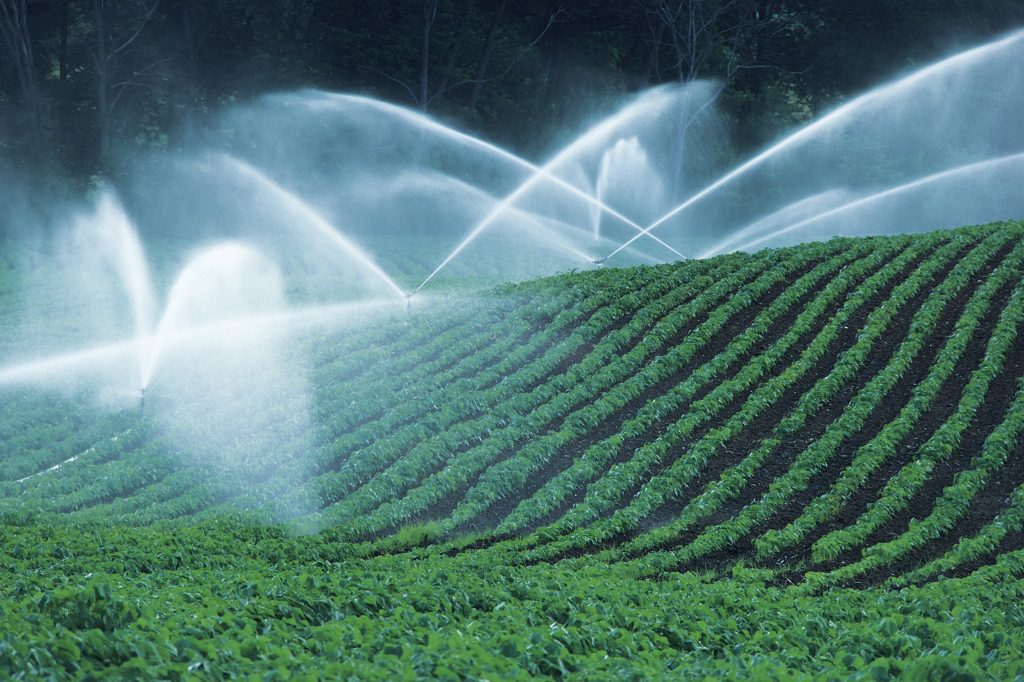
Irrigation is one of the most important inputs in agriculture, directly influencing crop health, growth, and productivity. While rainfall is a natural source of water, it is often irregular, insufficient, or unevenly distributed. Irrigation helps bridge this gap by providing crops with a reliable and timely supply of water, ensuring healthy growth throughout the crop cycle.
Healthy crops require water at every stage, from germination to maturity. Without adequate irrigation, crops experience stress that affects root development, nutrient absorption, and overall yield.
Water as a Basic Requirement for Crop Growth
Water is essential for almost every physiological process in plants. Crops depend on water to maintain their structure, transport nutrients, and carry out photosynthesis.
Key roles of water in crop growth include:
- Enabling seed germination and early root development
- Supporting cell expansion and plant height growth
- Regulating plant temperature through transpiration
- Transporting nutrients from soil to different plant parts
Without sufficient water, plants cannot perform these basic functions effectively, leading to weak growth and reduced productivity.
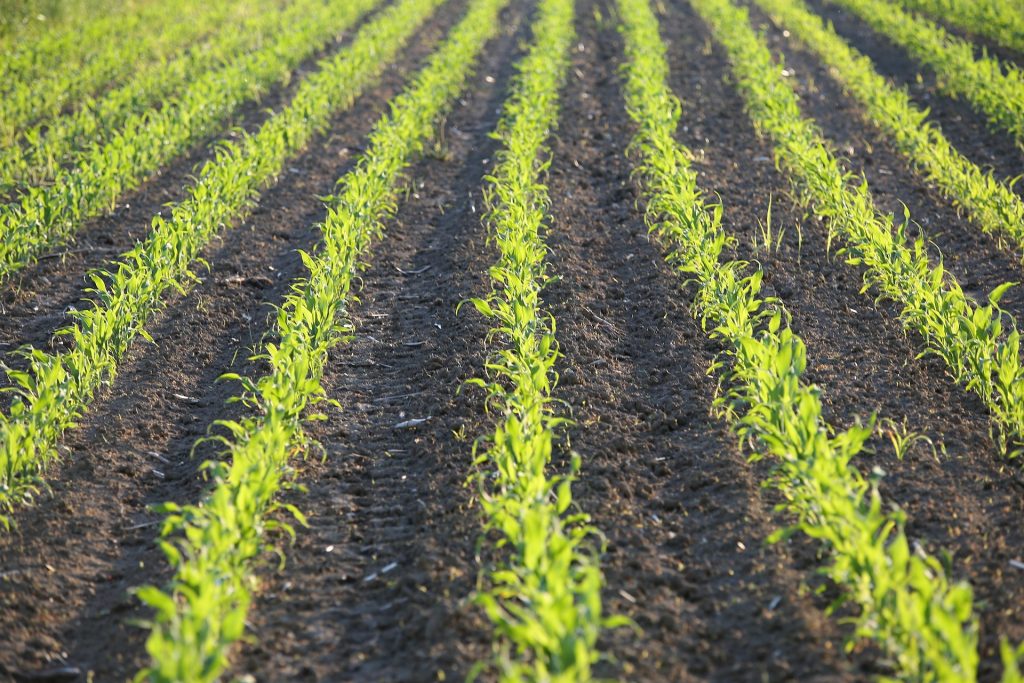
Ensures Proper Germination and Early Growth
The initial stages of crop growth are highly sensitive to moisture availability. Seeds require adequate water to activate enzymes that trigger germination.
Irrigation helps by:
- Providing uniform soil moisture for even germination
- Preventing seedling mortality due to dry soil
- Supporting early root establishment
Poor moisture conditions during this stage can result in uneven crop stands, which directly impact final yield.
Supports Nutrient Uptake and Soil Health
Nutrients present in the soil can only be absorbed by plants when they are dissolved in water. Irrigation plays a vital role in making nutrients available to crops.
Benefits related to nutrient uptake include:
- Improved absorption of essential nutrients like nitrogen, phosphorus, and potassium
- Better movement of nutrients within the root zone
- Reduced nutrient stress during critical growth stages
Proper irrigation also helps maintain soil structure and microbial activity, both of which are important for long-term soil fertility.
Helps Crops Withstand Dry Spells and Irregular Rainfall
In many agricultural regions, rainfall is unpredictable. Long dry spells during critical crop stages such as flowering or grain formation can severely reduce yields.
Irrigation helps crops by:
- Reducing dependence on rainfall
- Providing water during moisture-sensitive growth stages
- Protecting crops from drought stress
This is especially important in rainfed and semi-arid regions where rainfall variability is high.
Improves Photosynthesis and Plant Growth
Photosynthesis is the process through which plants produce food using sunlight, carbon dioxide, and water. Adequate water availability directly affects the rate of photosynthesis.
When crops receive proper irrigation:
- Leaves remain healthy and functional
- Stomata function efficiently
- Energy production increases, leading to better growth
Water-stressed plants often close their stomata, reducing photosynthesis and slowing down growth.
Maintains Crop Health and Reduces Stress
Water stress weakens plants and makes them more vulnerable to pests and diseases. Irrigation helps maintain plant vigor and resistance.
Healthy moisture conditions result in:
- Stronger root systems
- Better tolerance to heat stress
- Reduced incidence of physiological disorders
Well-irrigated crops are better equipped to recover from environmental stress compared to water-stressed crops.
Enhances Crop Yield and Quality
Adequate irrigation not only increases yield but also improves the quality of agricultural produce.
Irrigation contributes to:
- Larger grain size and better fruit development
- Uniform crop maturity
- Improved appearance and market value of produce
Crops grown under moisture stress often produce smaller, lower-quality yields that fetch lower prices.
Enables Multiple Cropping and Higher Productivity
Reliable irrigation allows farmers to grow more than one crop in a year and cultivate crops outside the monsoon season.
This supports:
- Higher cropping intensity
- Efficient use of land resources
- Increased agricultural income
Regions with good irrigation infrastructure generally show higher agricultural productivity compared to rain-dependent areas.
Supports Sustainable Agricultural Practices
Efficient irrigation practices help conserve water while ensuring crops receive what they need.
Benefits include:
- Reduced water wastage
- Better control over water application
- Long-term sustainability of water resources
Proper irrigation planning balances crop requirements with environmental conservation.
Conclusion
Crops need irrigation for healthy growth because water is fundamental to every stage of plant development. Irrigation ensures timely water availability, supports nutrient uptake, improves photosynthesis, reduces stress, and enhances yield and quality. In the face of irregular rainfall and changing climate conditions, irrigation remains a key factor in sustaining agricultural productivity and ensuring food security. Managing irrigation efficiently is essential for healthy crops and a resilient agricultural system.